
10 Reasons Why Fire Alarm Systems Are Essential for Every Home & Business (2025 Guide)
Why Fire Safety Has Become a Priority
In today’s fast-moving world, Fire Alarm System – Complete Guide for Homes, Offices & Commercial Buildings safety has become more important than ever. Whether you run a business, manage a building, or simply want to keep your home safe, one thing is clear: fire incidents can happen anytime, anywhere, often without warning. A single spark, a loose wire, a gas leak, or even a small kitchen accident can turn into a dangerous situation within minutes. That’s why investing in a reliable fire alarm system is not just a smart choice — it is a responsibility.
A fire alarm system does more than just make noise. It saves lives, protects property, and gives peace of mind. When a fire starts, every second counts. The earlier the alarm detects the danger, the more time people have to escape and emergency services have to respond.
This detailed guide will help you understand exactly:
- What a fire alarm system is
- How it works
- Different types of systems
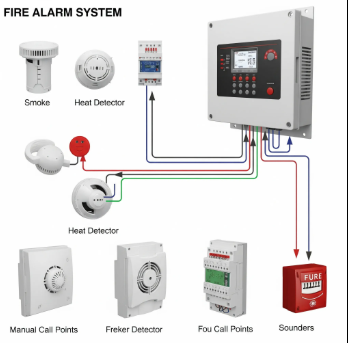
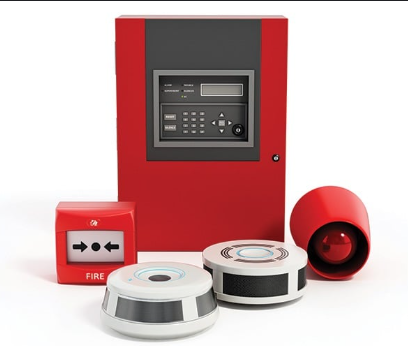
- Key components
- Why your home or business must have one
- How to choose the right system
- Installation & maintenance tips
- And why Pakarab Trading (pakarabtrd.com) is your trusted partner for fire safety solutions
Let’s begin!
What is a Fire Alarm System?
A fire alarm system is a combination of electronic devices designed to detect smoke, heat, fire, or gas, and alert people through loud alarms, sirens, or visual notifications (like flashing lights).
Its main purpose is simple:
Fire Alarm Systems for Businesses & Industrial Areas
Larger properties require stronger and more advanced systems:
- Addressable fire alarm system
- Multi-sensor detectors
- Beam detectors for large halls
- Gas suppression for server rooms
- Emergency break glass units
- Fire-resistant wiring
Pakarab Trading provides complete installation for:
- Warehouses
- Restaurants
- Factories
- Clinics
- Workshops
- Schools
- Supermarkets
Smart Fire Alarm Systems – The Future of Safety
Modern fire alarms are becoming smarter and more connected.
Features include:
- Mobile alerts
- Integration with CCTV
- Voice evacuation
- Wireless detectors
- AI-based fire analysis
- Cloud monitoring
These systems ensure maximum safety with minimum manual effort.
How Pakarab Trading Ensures Quality Installation
At pakarabtrd.com, installation is done with complete professionalism:
1. Free site visit
Our team inspects your home or business to design the perfect system.
2. Custom system design
Every building is different — we create a plan tailored to your risk level.
3. High-quality branded equipment
We use approved detectors and fire panels that last for years.
4. Expert technicians
Trained professionals do wiring, programming, and testing.
5. After-installation support
We provide maintenance and emergency support.
6. Affordable prices
We offer competitive rates suitable for every budget.
Why You Should Trust pakarabtrd.com
We are known for:
- Fast installation
- Professional technicians
- Quality equipment
- Honest pricing
- Reliable customer support
- Business-to-business (B2B) solutions
- Smart home and security experience
From small homes to giant warehouses — we have solutions for all.
Fire safety is not something to leave for later. A fire alarm system is one of the best investments you can make for your home, business, or property. It not only protects lives and saves property but also ensures compliance with safety regulations and reduces insurance costs.
With technology improving every year, fire alarms are becoming faster, smarter, and more reliable. Whether you need a simple home system or a professional addressable system, Pakarab Trading is ready to provide:
- High-quality equipment
- Fast installation
- 24/7 support
- Affordable prices
If you want your building to be safe, secure, and protected — a fire alarm system is the first step
Detect Early → Alert Immediately → Protect Lives & Property
A modern fire alarm system doesn’t just ring a bell. It can:
- Send alerts to your mobile
- Notify emergency services
- Trigger sprinklers
- Shut down electricity
- Guide people to safe exits
This makes the system a critical safety installation for homes, shops, offices, warehouses, restaurants, buildings, hotels, schools, and factories.
How Does a Fire Alarm System Work?
Understanding the working process helps you choose the right system. A fire alarm system works in four basic steps:
1. Detection of Fire or Smoke
Sensors identify smoke, heat, flame, or gas. These detectors continuously “listen” for danger.
2. System Analysis
The control panel receives signals from detectors. It checks if the signal is real or false.
3. Warning & Notification
If the threat is real, the system activates:
- Sirens
- Sounders
- Flashing lights
- Voice alarms
Everyone in the building gets notified immediately.
4. Emergency Response
Depending on the system, it can:
- Notify fire departments
- Trigger automatic suppression
- Send alerts to owners
- Shut down ventilation to reduce smoke
This quick response dramatically reduces damage.
Why Fire Alarm Systems Are Essential (Top Benefits)
Fire alarms are not optional anymore — they are a must. Here’s why:
1. Saves Lives
Early detection gives more time to escape. Smoke spreads faster than fire, and alarms detect danger before it becomes uncontrollable.
2. Protects Your Property
A few minutes of uncontrolled fire can destroy your entire investment. Early detection stops the damage.
3. Minimizes Financial Loss
Fire alarms reduce repair costs and keep your business running with minimal downtime.
4. Required by Law and Insurance Companies
Most countries, including the UAE, require fire alarms for commercial spaces. Insurance companies also demand it for coverage.
5. Works 24/7
No matter where you are, your system is always active, always alert.
6. Peace of Mind
Knowing your home or business is protected helps you focus on life without fear.
Types of Fire Alarm Systems
Choosing the right fire alarm depends on your building type and risk factors. Below are the main types:
1. Conventional Fire Alarm System
This system divides your property into zones. When a fire occurs, the panel shows the zone where the fire started.
Best For:
- Small shops
- Homes
- Small offices
Pros:
- Affordable
- Easy installation
Cons:
- Does not show the exact detector point
- Suitable only for small areas
2. Addressable Fire Alarm System
Each device has its own unique address. When a fire occurs, the system shows the exact location — floor, room, and detector number.
Best For:
- Large buildings
- Hospitals
- Schools
- Commercial towers
- Warehouses
Pros:
- Highly accurate
- Faster response
- Easy maintenance
Cons:
- Higher cost
3. Wireless Fire Alarm System
This system uses wireless signals instead of cables.
Best For:
- Buildings where wiring is difficult
- Heritage sites
- Temporary setups
Pros:
- No wiring
- Quick installation
Cons:
- Battery maintenance required
4. Automatic Fire Alarm System
This system detects fire and also activates suppression automatically.
Best For:
- High-risk areas
- Server rooms
- Data centers
Main Components of a Fire Alarm System
Understanding components helps you know what you’re paying for.
1. Smoke Detectors
These detect smoke particles.
Types:
- Photoelectric
- Ionization
- Dual-sensor
2. Heat Detectors
Detect high temperature or rapid heat rise.
3. Manual Call Points (MCP)
Red “break glass” units used to activate an alarm manually.
4. Control Panel
The brain of the system. It receives signals and activates alarms.
5. Sounders & Sirens
Loud alarms that alert everyone in the area.
6. Strobe Lights
For areas where sound may not reach. Also helps people with hearing disability.
7. Fire Suppression System (Optional)
Uses gas, foam, CO₂, or water mist to extinguish fire.
8. Power Supply
Backup batteries keep the system active during power cuts.
Where Fire Alarm Systems Are Needed
You must install fire alarms in:
- Homes
- Apartments
- Offices
- Restaurants
- Warehouses
- Grocery shops
- Factories
- Cafés
- Salons
- Hospitals
- Schools
- Shopping malls
- Data centers
- Hotels
Basically — anywhere people live or work.
How to Choose the Right Fire Alarm System for Your Building
When selecting a fire alarm system, consider:
1. Building Size
Large buildings need addressable systems. Small ones can use conventional.
2. Number of Floors
Multi-level buildings need accurate, zoned detection.
3. Risk Level
Kitchens, server rooms, and workshops need special detection.
4. Budget
Choose a system that gives maximum protection within your budget.
5. Expansion Plan
Addressable and wireless systems are ideal if you plan future upgrades.
Fire Alarm System Installation Guide (Step-By-Step)
1. Site Inspection
Technicians visit your location to check risk areas.
2. System Design
A proper layout is made showing detector points, panels, sounders, and wiring.
3. Device Installation
Detectors are installed on ceilings and walls.
4. Wiring / Programming
Conventional systems require wiring.
Addressable systems require programming.
5. Testing
Each detector and alarm is tested for correct functioning.
6. Training
Staff or homeowners are taught how to use the system.
7. Certification
Some locations require civil defense approval.
Maintenance & Safety Tips
To ensure your fire alarm system works perfectly, follow these tips:
- Test the system once a month
- Replace detector batteries yearly
- Keep detectors dust-free
- Avoid painting detectors
- Replace faulty devices quickly
- Check wiring annually
A fire alarm only protects you if it is working.
Why Choose Pakarab Trading (pakarabtrd.com)?
Pakarabtrd is a professional provider of Fire Alarm Systems, CCTV, Security Solutions, Smart Home Devices, and IT Support Services.
What Makes Us Different?
- High-quality fire alarm systems
- Professional installation
- Affordable pricing
- AMC (Annual Maintenance Contracts)
- Trained and certified technicians
- Fast response
- 100% customer satisfaction
- Modern solutions for all building types
Whether you need a system for your home, office, villa, shop, or warehouse, we provide reliable, long-lasting, and fully approved fire safety solutions.


About author

Add comment